
 AIFAS
AIFAS ISO 9001 : 2015
 IAF
IAF 3 BEST RATED
 AHD
AHD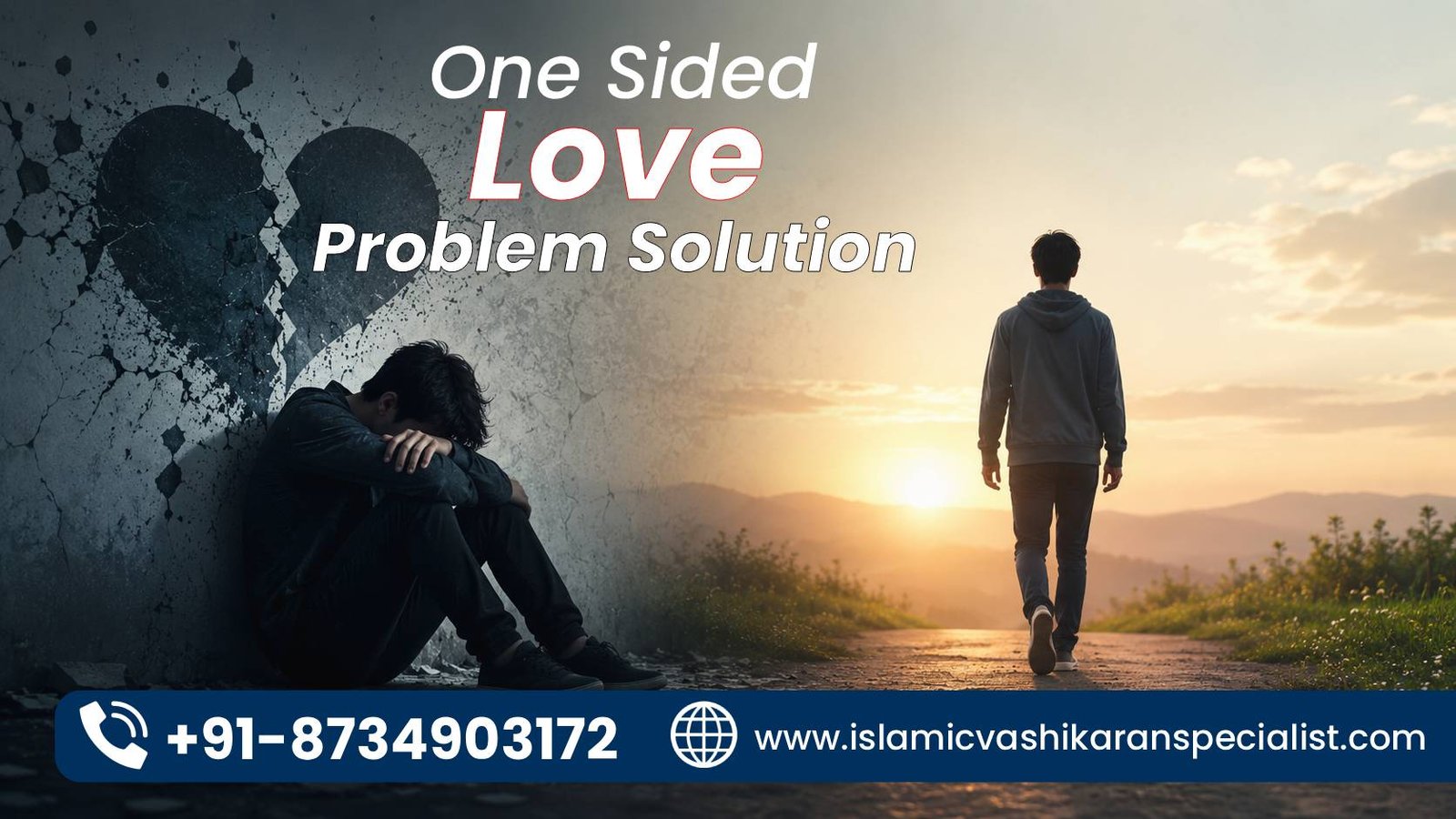
Introduction
Love is one of the most powerful emotions we experience. However, when affection and commitment are not returned, it can become deeply painful. If you’re searching for a One Sided Love Problem Solution, you’re likely dealing with emotional confusion, heartbreak, and unanswered questions.
One sided love occurs when one person develops strong feelings for someone who does not feel the same way. This experience can leave you feeling rejected, anxious, and emotionally exhausted. You may constantly wonder whether things will change or whether you should continue hoping.
The good news is that healing is possible. While overcoming one sided love can be challenging, there are healthy and effective ways to regain emotional balance, rebuild self-confidence, and move forward toward healthier relationships.
In this comprehensive guide, you’ll learn what one sided love really means, why it happens, the signs to recognize it, and practical strategies for emotional healing after rejection.
What Is One Sided Love?
Definition
One sided love refers to a situation where one person has romantic feelings, emotional investment, or commitment toward another person, but those feelings are not equally reciprocated.
Unlike mutual love, where both individuals contribute emotionally and invest in the relationship, one sided love creates an imbalance. One person continuously gives affection, attention, and effort while receiving little or nothing in return.
Common Causes
There are several reasons why one sided love develops:
- Strong emotional attraction
- Idealizing another person
- Lack of clear communication
- Emotional dependency
- Fear of loneliness
- Misinterpreting friendliness as romantic interest
Sometimes people become emotionally attached before confirming whether the other person shares similar feelings.
Emotional Impact
The emotional consequences of one sided love can be significant:
- Persistent sadness
- Low self-esteem
- Anxiety
- Obsessive thoughts
- Emotional exhaustion
- Difficulty focusing on daily life
Over time, these feelings can affect mental health and overall well-being if left unaddressed.
Signs You Are Experiencing One Sided Love
Recognizing the signs of one sided love is the first step toward healing.
1. Lack of Mutual Effort
Healthy relationships require effort from both people.
If you are always initiating conversations, making plans, or showing affection while the other person rarely reciprocates, it may indicate one sided love.
2. One-Way Communication
Communication feels unbalanced when:
- You send most messages first
- Responses are delayed or minimal
- Conversations rarely continue naturally
- They contact you only when convenient
Consistent one-way communication often signals unequal emotional investment.
3. Emotional Imbalance
You may find yourself constantly thinking about them while they appear emotionally distant.
Common signs include:
- Excessive worrying about their opinions
- Prioritizing their needs above your own
- Feeling emotionally dependent on their attention
4. Constant Disappointment
Repeated disappointment is a major indicator.
You may frequently experience:
- Broken expectations
- Unreturned affection
- Canceled plans
- Feeling ignored
If disappointment becomes a recurring pattern, it’s important to evaluate the reality of the situation.
Why One Sided Love Happens
Understanding why one sided relationship problems occur can help you approach healing with greater self-awareness.
Idealization
Many people fall in love with an imagined version of someone rather than their actual personality.
When we idealize someone, we focus on their positive qualities and ignore incompatibilities or warning signs.
Emotional Attachment
Strong emotional bonds can form quickly, especially during vulnerable periods of life.
You may become attached because the person provides:
- Comfort
- Validation
- Attention
- Hope
Even when romantic feelings are not returned, emotional attachment can remain strong.
Fear of Rejection
Fear often prevents people from seeking clarity.
Instead of directly discussing feelings, they continue hoping the relationship will eventually become mutual.
This uncertainty can prolong emotional suffering.
Mixed Signals
Sometimes people unintentionally send confusing messages.
Examples include:
- Frequent texting
- Flirting without commitment
- Inconsistent attention
- Emotional closeness without romantic intention
Mixed signals can create false hope and make it harder to move on.
One Sided Love Problem Solution
If you’re wondering how to deal with one sided love, these evidence-based strategies can help.
Accept Reality
Acceptance is the foundation of healing.
Ask yourself:
- What are the facts?
- Has this person clearly shown romantic interest?
- Are my expectations realistic?
Acceptance does not mean giving up. It means acknowledging reality so you can make healthier decisions.
Stop Chasing Validation
Many people unknowingly seek validation from the person they love.
You may feel:
- Happy when they respond
- Worthless when they ignore you
- Dependent on their approval
Your value does not depend on another person’s feelings.
True confidence comes from self-acceptance.
Set Healthy Boundaries
Boundaries protect emotional well-being.
Examples include:
- Limiting unnecessary contact
- Reducing social media monitoring
- Avoiding situations that intensify emotional pain
Healthy boundaries create space for recovery.
Focus on Self-Respect
Self-respect is essential when overcoming one sided love.
Ask yourself:
- Am I accepting less than I deserve?
- Am I neglecting my own needs?
- Am I compromising my dignity for attention?
Healthy love should never require constant emotional sacrifice.
Improve Self-Worth
Building self-worth helps reduce emotional dependence.
Try:
- Learning new skills
- Pursuing hobbies
- Exercising regularly
- Celebrating personal achievements
The stronger your self-esteem becomes, the easier it is to let go of unhealthy attachments.
Build a Support System
Healing becomes easier when you connect with supportive people.
Reach out to:
- Friends
- Family members
- Mentors
- Support groups
- Relationship counseling professionals
You do not have to face heartbreak alone.
How to Heal Emotionally from One Sided Love
Emotional healing after rejection requires patience and self-compassion.
Managing Heartbreak
Heartbreak is a natural response to loss.
Allow yourself to:
- Cry
- Express emotions
- Process disappointment
- Grieve the relationship you hoped for
Suppressing emotions often delays recovery.
Self-Care Strategies
Prioritize your physical and emotional health.
Effective self-care includes:
- Quality sleep
- Nutritious meals
- Exercise
- Relaxation techniques
- Time outdoors
Taking care of your body supports emotional healing.
Journaling
Writing can help organize complex feelings.
Consider journaling about:
- Your emotions
- Personal insights
- Lessons learned
- Future goals
Journaling often reduces emotional overwhelm and improves self-awareness.
Mindfulness Practices
Mindfulness helps you stay present instead of dwelling on painful thoughts.
Useful practices include:
- Meditation
- Deep breathing
- Body scanning
- Gratitude exercises
Regular mindfulness can reduce stress and emotional distress.
Seeking Professional Help
If emotional pain becomes overwhelming, professional support may be beneficial.
A licensed therapist or relationship counseling expert can help you:
- Process rejection
- Build coping skills
- Improve self-esteem
- Develop healthier relationship patterns
Seeking help is a sign of strength, not weakness.
Mistakes to Avoid When Dealing with One Sided Love
Certain behaviors can make healing more difficult.
Obsessive Messaging
Repeatedly texting or calling someone who shows little interest often increases emotional suffering.
Healthy communication requires mutual participation.
Ignoring Red Flags
People in one sided love situations sometimes ignore clear signs of disinterest.
Examples include:
- Consistent avoidance
- Lack of commitment
- Emotional unavailability
Acknowledging these signs helps you make informed decisions.
Waiting Indefinitely
Hope can become harmful when it prevents personal growth.
Ask yourself whether waiting is based on evidence or wishful thinking.
Life should not be placed on hold for uncertainty.
Losing Self-Esteem
Rejection can damage confidence if you internalize it.
Remember:
Someone’s inability to love you back does not reduce your worth.
Compatibility and attraction are complex and highly personal.
Can One Sided Love Turn Into a Relationship?
This is one of the most frequently asked questions.
Realistic Expectations
Yes, in some cases, feelings can develop over time.
However, this outcome is relatively uncommon and should not be expected.
Basing your happiness on the possibility of future reciprocation can prolong emotional pain.
Factors That Matter
Several factors influence whether feelings may become mutual:
- Emotional compatibility
- Timing
- Communication
- Shared values
- Genuine attraction
Even when these factors exist, there are no guarantees.
When to Move On
It may be time to move on when:
- The person clearly states they are not interested.
- Effort remains one-sided for a long period.
- The situation harms your mental health.
- You are sacrificing self-respect.
Moving on creates opportunities for healthier connections.
Expert Tips for Moving On and Finding Healthy Love
Here are practical recommendations from relationship experts:
1. Accept What You Cannot Control
You cannot control another person’s feelings.
You can only control your response.
2. Create Emotional Distance
Reduce exposure to triggers whenever possible.
This may include limiting social media interactions and unnecessary communication.
3. Focus on Personal Growth
Use this experience as an opportunity to grow emotionally.
Develop:
- Confidence
- Independence
- Emotional intelligence
4. Expand Your Social Circle
Meeting new people broadens your perspective and reduces emotional fixation.
Consider:
- Clubs
- Community activities
- Volunteer work
- Professional networking
5. Redefine Love
Healthy love involves:
- Mutual respect
- Emotional support
- Reciprocity
- Shared commitment
Never settle for relationships where only one person is invested.
6. Practice Self-Compassion
Treat yourself with kindness during recovery.
Avoid self-criticism and remember that many people experience unrequited love at some point in life.
7. Stay Open to New Opportunities
Healing does not mean closing your heart forever.
The right relationship will not require constant chasing or uncertainty.
Frequently Asked Questions (FAQ)
1. What is the best one sided love problem solution?
The best one sided love problem solution is accepting reality, setting healthy boundaries, focusing on self-respect, and investing in personal growth. Building emotional resilience helps you recover and move forward.
2. How do I stop thinking about someone who doesn’t love me back?
Reduce contact, avoid idealizing them, engage in meaningful activities, practice mindfulness, and focus on your own goals. Over time, emotional attachment naturally decreases.
3. Can one sided love become mutual?
Sometimes feelings can develop gradually, but it should not be expected. If there is no clear indication of mutual interest, it is healthier to focus on moving forward.
4. How long does it take to recover from one sided love?
Recovery varies from person to person. Some people heal within weeks, while others may take several months. Consistent self-care and emotional support can accelerate healing.
5. Should I confess my feelings in a one sided love situation?
If you seek clarity and emotional closure, expressing your feelings respectfully may help. However, be prepared to accept any response and respect the other person’s boundaries.
Conclusion
Experiencing one sided love can be emotionally painful, but it does not have to define your future. The most effective One Sided Love Problem Solution begins with accepting reality, protecting your self-respect, and focusing on emotional healing.
Remember that healthy relationships are built on mutual effort, trust, communication, and genuine affection. While rejection can hurt, it also creates space for personal growth and better opportunities.
As you move forward, prioritize your emotional health, strengthen your self-worth, and remain open to relationships where love flows both ways. The right connection will never require you to constantly prove your value or chase affection. You deserve a relationship built on mutual respect, appreciation, and genuine love.